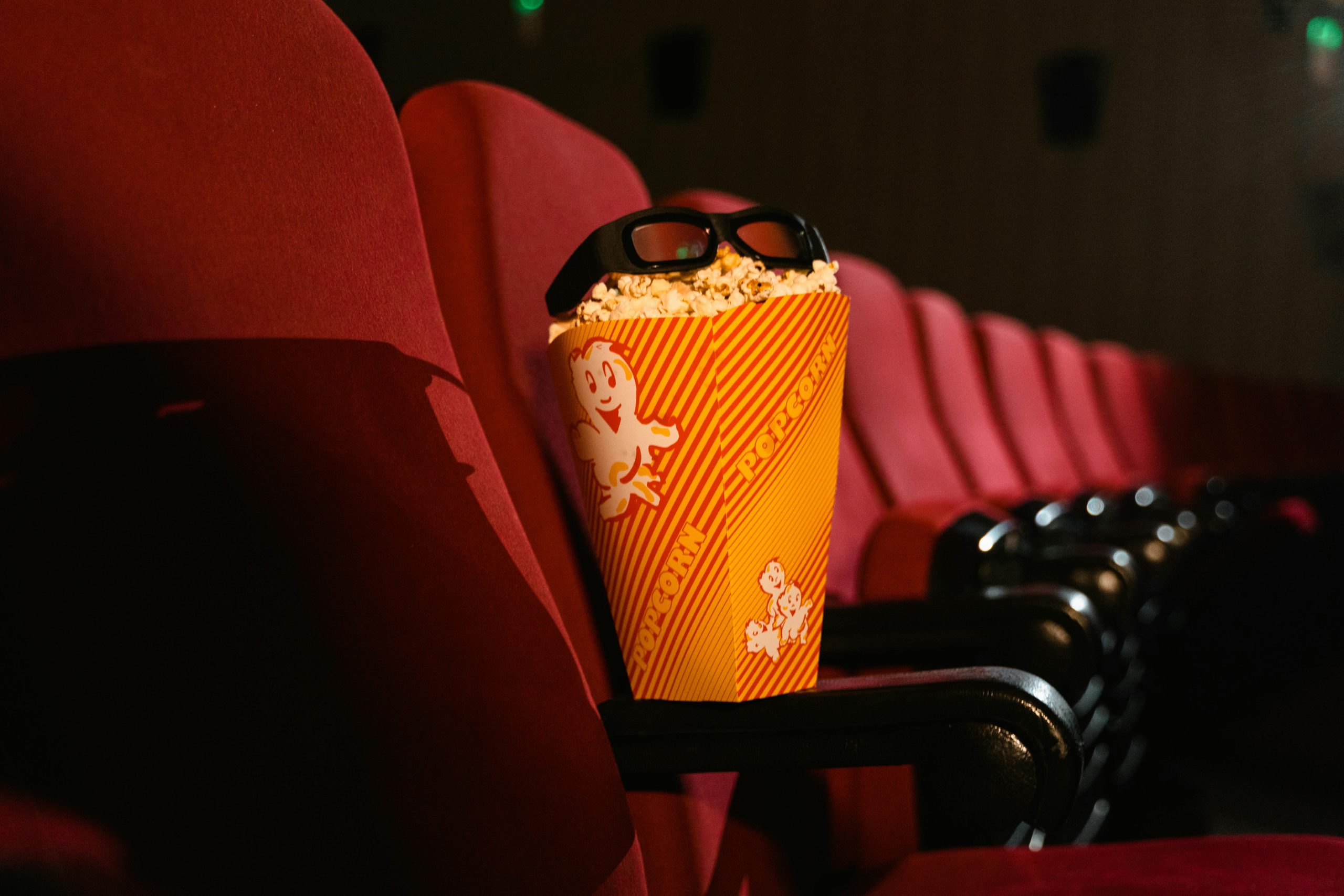
Popcorn and movie theater go hand in hand today, but how did this tasty, crunchy and possibly healthy snack become the go-to treat for cinema-goers? The short answer: it was cheap, easy to make, and perfectly suited for the rise of films as mass entertainment during the Great Depression and World War II.
In this article, we’ll explore the history of popcorn and movie theater culture, why it became such a staple, and whether popcorn is actually a healthy snack. We’ll also look at how this humble grain evolved into the iconic snack we associate with the silver screen today.
Table of Contents
- The Origins of Popcorn
- Early Movie Theatres: No Snacks Allowed
- The Great Depression Changed Everything
- Popcorn Machines and Street Vendors
- World War II and the Rise of Popcorn
- Popcorn’s Cinematic Boom
- Is Popcorn Healthy?
- Popcorn in Modern Cinemas
- Final Thoughts
The Origins of Popcorn
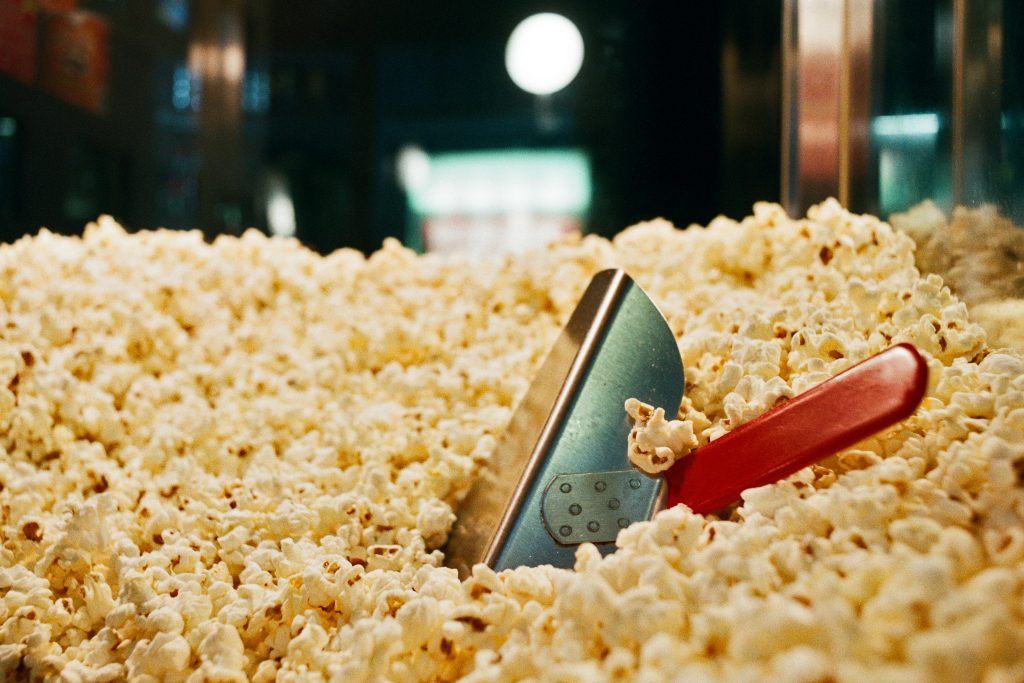
Popcorn is one of the oldest snack foods in the world. Archaeologists have found popcorn kernels in caves in Mexico that are over 5,000 years old. Indigenous peoples of the Americas used popcorn in ceremonies and as food long before European settlers arrived.
But the connection between popcorn and movie theater culture didn’t come for many centuries.
Early Movie Theatres: No Snacks Allowed
When the first movie theatres opened in the early 1900s, they were elegant venues modeled after opera houses and theatres. These “picture palaces” catered to wealthier crowds who expected a quiet, refined environment. Snacks, especially something as messy and noisy as popcorn, were strictly prohibited and it took some time before the combo of popcorn and movie theater became a thing.
Concessions didn’t even exist at many early theatres. The owners didn’t want crumbs on their velvet carpets or the crunch of kernels interrupting the musical score of a silent film.
The Great Depression Changed Everything
By the 1930s, the U.S. was deep in the Great Depression, and people needed affordable escapes from everyday life. Popcorn and movie theater became a refuge, offering entertainment for just a few cents.
Popcorn, too, was cheap — just 5 to 10 cents per bag — and easy to make. It didn’t require refrigeration, and it smelled amazing when popped. Street vendors selling popcorn began setting up carts outside theatres, taking full advantage of the crowds. Eventually, theatres invited vendors inside, realizing they could make money from concessions themselves.
Thus began the long-lasting bond between popcorn and movie theater culture.
Popcorn Machines and Street Vendors
One major innovation helped cement popcorn’s role in cinemas: the invention of the mobile popcorn machine by Charles Cretors in the late 1800s. This allowed vendors to make fresh popcorn anywhere, even outside theatres.
When theater owners saw how much money vendors were making, they bought their own machines. Not only did it smell good and draw people in, but it also became a critical source of profit. During tough economic times, popcorn sales helped many theatres survive.
World War II and the Rise of Popcorn
During World War II, sugar rationing made candy scarce. But corn wasn’t rationed. Popcorn, being a whole grain, remained cheap and available. As other treats became harder to find, popcorn filled the gap — especially in entertainment venues like movie theatres.
By the mid-1940s, it had established itself as a likable flavor for a snack, and had fully moved from the street and popcorn and movie theater had found each other in a steady relationship. The snack was now considered part of the experience.
Popcorn’s Cinematic Boom
After the war, television threatened the popularity of cinemas. Theatre owners needed ways to compete. One effective solution? Double down on the popcorn.
Popcorn was cheap to produce and marked up dramatically at the counter. Selling popcorn became so important that theatres often earned more from concessions than tickets.
From this period onward, the smell of buttered popcorn became synonymous with the movie-going experience. Whether it was a date night, family outing, or solo escape, the popcorn and movie theater combo was firmly locked in the public imagination.
Is Popcorn Healthy?
With rising health awareness in recent decades, people have started asking: Is popcorn healthy?
The answer is: it can be. Air-popped popcorn without added butter or salt is a whole grain, high in fiber, low in fat, and gluten-free. It also contains antioxidants like polyphenols.
However, most popcorn in movie theatres is not made this way. It’s typically popped in oil, loaded with butter or butter-flavored topping, and seasoned with a lot of salt. A large movie theatre popcorn can contain up to 1,200 calories and a significant amount of saturated fat.
So while the base food is nutritious, the cinema version is more of an indulgence than a health snack. Still, for those curious about “healthy popcorn” options, many people now make their own popcorn and movie theater evenings at home, having their popcorn with olive oil, sea salt, or even nutritional yeast for a healthier twist.
Popcorn in Modern Cinemas
Today, the popcorn and movie theater tradition is stronger than ever. In fact, many theatres rely on popcorn and other concessions for up to 40% of their revenue.
Popcorn has also gone gourmet, with flavours ranging from caramel and cheddar to spicy jalapeño and chocolate drizzle. Some boutique cinemas even pair popcorn with wine or craft cocktails.
And for health-conscious viewers, some theatres now offer air-popped popcorn or low-sodium versions, tapping into the rising interest in whether popcorn is healthy as a regular snack.
Final Thoughts
Popcorn wasn’t always welcome in the elegant movie houses of the early 20th century. But over time, necessity, convenience, and profitability brought it in from the streets and into the seats.
Today, popcorn and movie theater culture are nearly inseparable. The smell of freshly popped corn in the lobby, the crunch in a darkened auditorium — it’s all part of the ritual.
So the next time you grab a bucket of popcorn at the movies, you’re participating in a century-old tradition born out of economic struggle, war-time shortages, and entrepreneurial spirit.
And if you’re wondering is popcorn healthy? That depends on how it’s made — but as a symbol of cinema, it’s hard to beat.
Leave a Reply