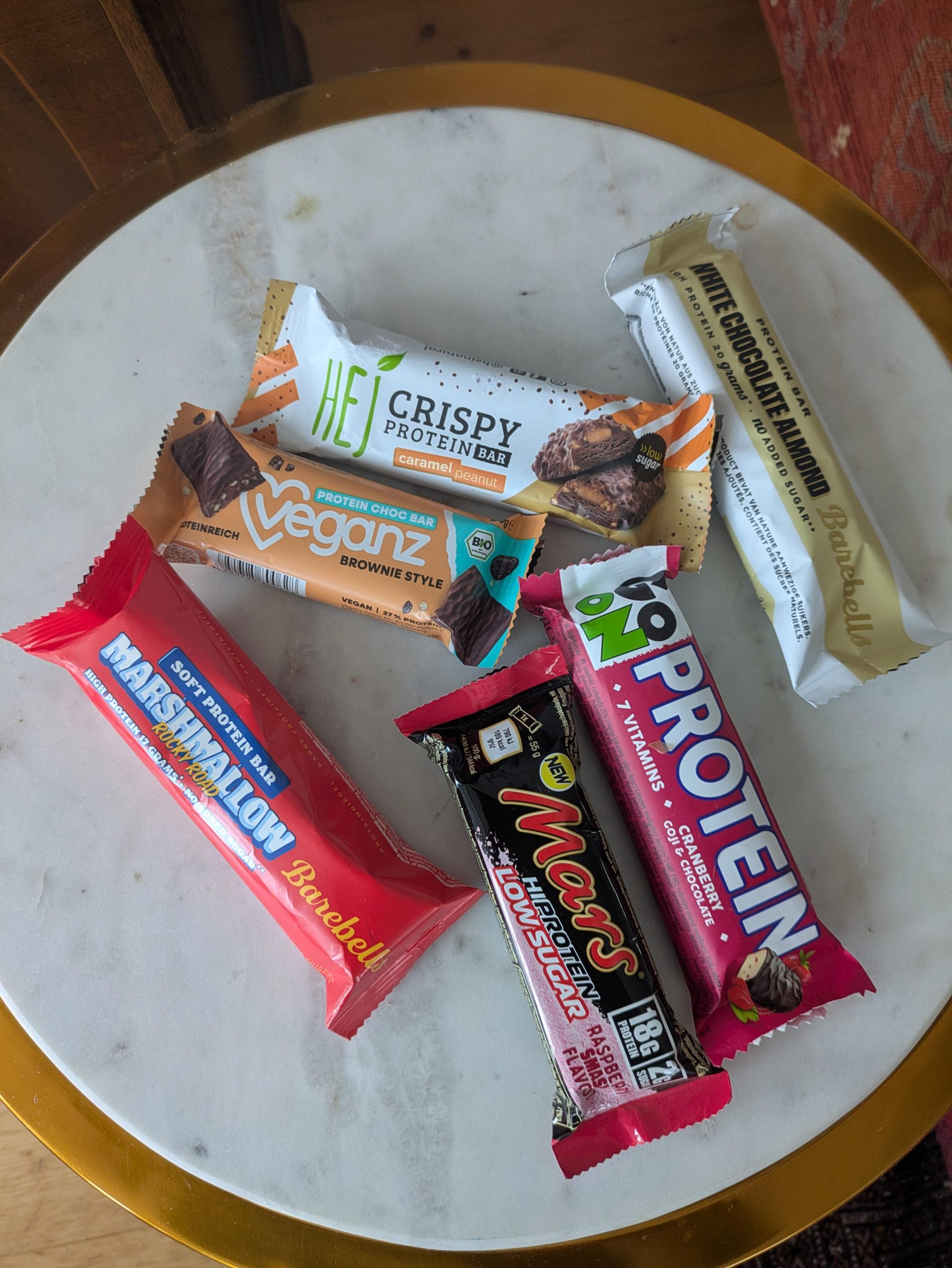
Protein Bars in 2026
Protein bars have gone from being a niche product for fitness enthusiasts to becoming a completely normal part of the snack aisle. You’ll find them everywhere; at the gym, in grocery stores, and even at gas stations.
But the question many people still ask remains the same:
Are protein bars healthy, or just clever marketing?
The answer isn’t entirely black and white.
Some protein bars can be a practical and useful choice in a busy everyday life Others are basically just chocolate with a bit of extra protein.
You can also compare and rate protein bars yourself in the Treatnix app, or read about candy with low calories.
What is a protein bar, really?
A protein bar is a ready-made snack designed to contain more protein than regular candy or chocolate.
They typically contain:
- 15–20 grams of protein
- Fat (often from nuts or vegetable oils)
- Carbohydrates (sugar or sugar alcohols)
- Flavorings and fillings
Many protein bars are designed to mimic the taste of classic chocolate bars like Snickers or Mars—just with a “healthier” image.
What does research say about protein bars?
Less processed foods are recommended

According to the Dietary Guidelines for Americans, your diet should mainly consist of:
- minimally processed foods
- whole, nutrient-dense ingredients
- a varied and balanced intake
Protein bars are often classified as ultra-processed foods, which are generally recommended to be limited.
At the same time, research from the National Institutes of Health shows that protein plays an important role in:
- muscle building
- recovery
- satiety (feeling full)
So, protein bars are not necessarily unhealthy, but they are not the same as a healthy meal either.
Benefits of protein bars
1. Perfect when you’re short on time
Protein bars are designed for one thing: convenience.
You can take them with you:
- to work
- to the gym
- while traveling
They’re ideal when the alternative is not eating at all—or choosing unhealthy snacks.
2. High protein content
Most protein bars provide 15–20 grams of protein per bar.
This can help with:
- increased satiety
- better post-workout recovery
3. A better alternative to candy
If the choice is between sweets and a protein bar, the protein bar is often the better option.
Downsides you should know about
1. Ultra-processed content
Many protein bars contain:
- artificial sweeteners
- stabilizers
- additives
These are ingredients the Norwegian Directorate of Health recommends limiting.
2. Just as calorie-dense as candy
A protein bar often contains:
- 180–250 kcal
- roughly the same as a regular chocolate bar
“Healthy” doesn’t necessarily mean low in calories.
3. Can cause digestive issues
Sugar alcohols like maltitol can lead to:
- bloating
- discomfort
- digestive issues
This is especially true if you eat several bars.
4. The classic “health trap”
Many people think:
“This is healthy, so I can eat more.”
That’s where protein bars can quickly become a poor choice.
What about collagen protein bars?
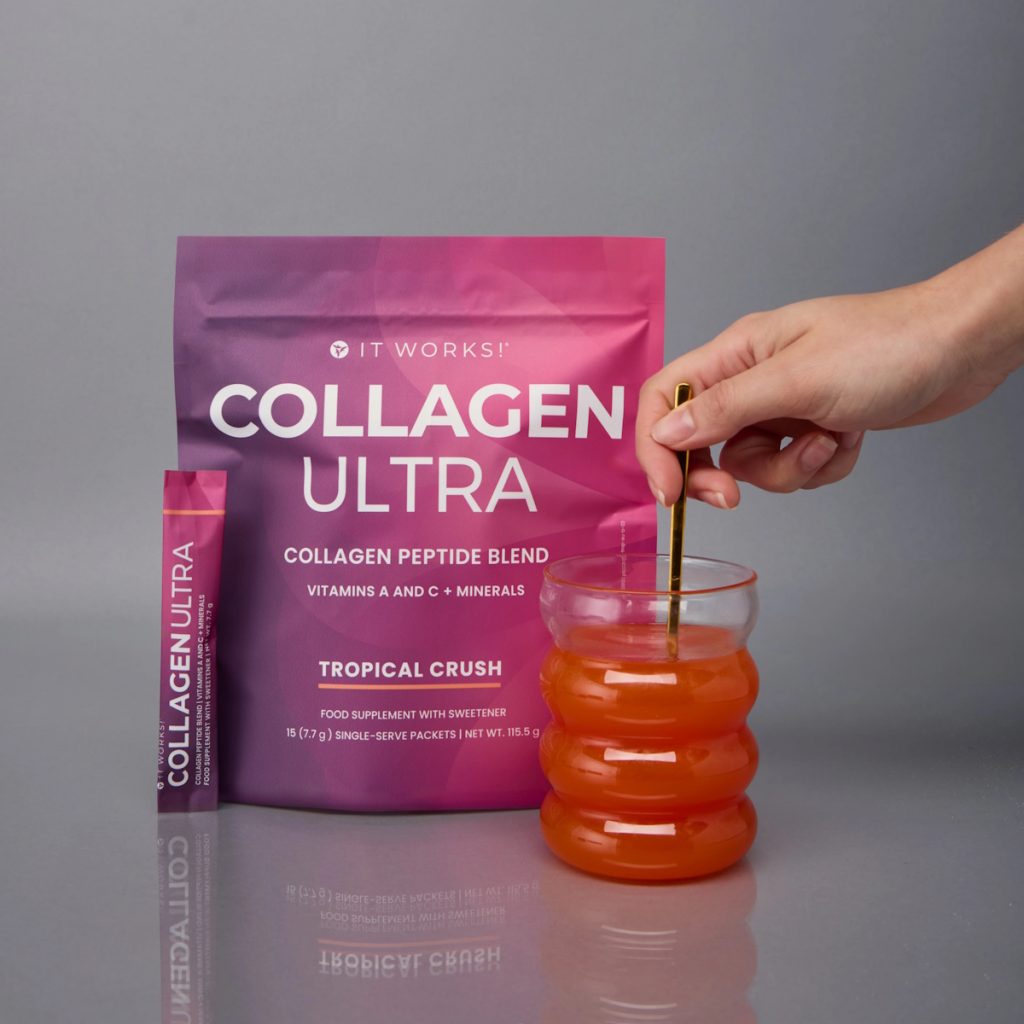
Collagen has become a big trend in protein bars—especially in the “health” and “beauty” space.
Collagen is a protein naturally found in:
- skin
- tendons
- connective tissue
It is often marketed as beneficial for:
- skin and elasticity
- hair and nails
- joints
But here’s what’s important to know:
Collagen is not a complete protein.
It lacks essential amino acids.
What does this mean in practice?
- Less effective for muscle building
- Not ideal after workouts
- Not a complete protein source
In short:
Collagen bars can be perfectly fine as snacks—but they are not necessarily better than regular protein bars.
When do protein bars make sense?
Protein bars are a good choice when:
- you need something quick after a workout
- you’re on the go
- you would otherwise choose candy
That’s exactly what they’re designed for.
When should you be cautious?
Protein bars are less ideal:
- as a daily replacement for meals
- if you want a natural diet
- if you react to sweeteners
Which protein bars are best?
There are big differences between products:
- some taste almost like candy
- some have a better nutritional profile
- some are more “clean”
Conclusion – are protein bars healthy?
Protein bars are neither superfoods nor unhealthy junk. They are a practical compromise.
If you use them correctly:
- they can be useful
- they can fit into a balanced diet
But: they should not replace real food.
Our recommendation
- Think of protein bars as a supplement—not a solution
- Don’t be fooled by marketing
- Choose bars you actually like and tolerate
FAQ: Are protein bars healthy?
Are protein bars healthier than chocolate?
Often yes—but not always. It depends on the ingredients and calorie content.
Can you eat protein bars every day?
Occasionally is fine, but they should not replace regular meals.
Are protein bars good for weight loss?
Only if they fit within your overall calorie intake.
Leave a Reply